

What are the benefits of coloring Bee collecting nectar in a garden Coloring Page?
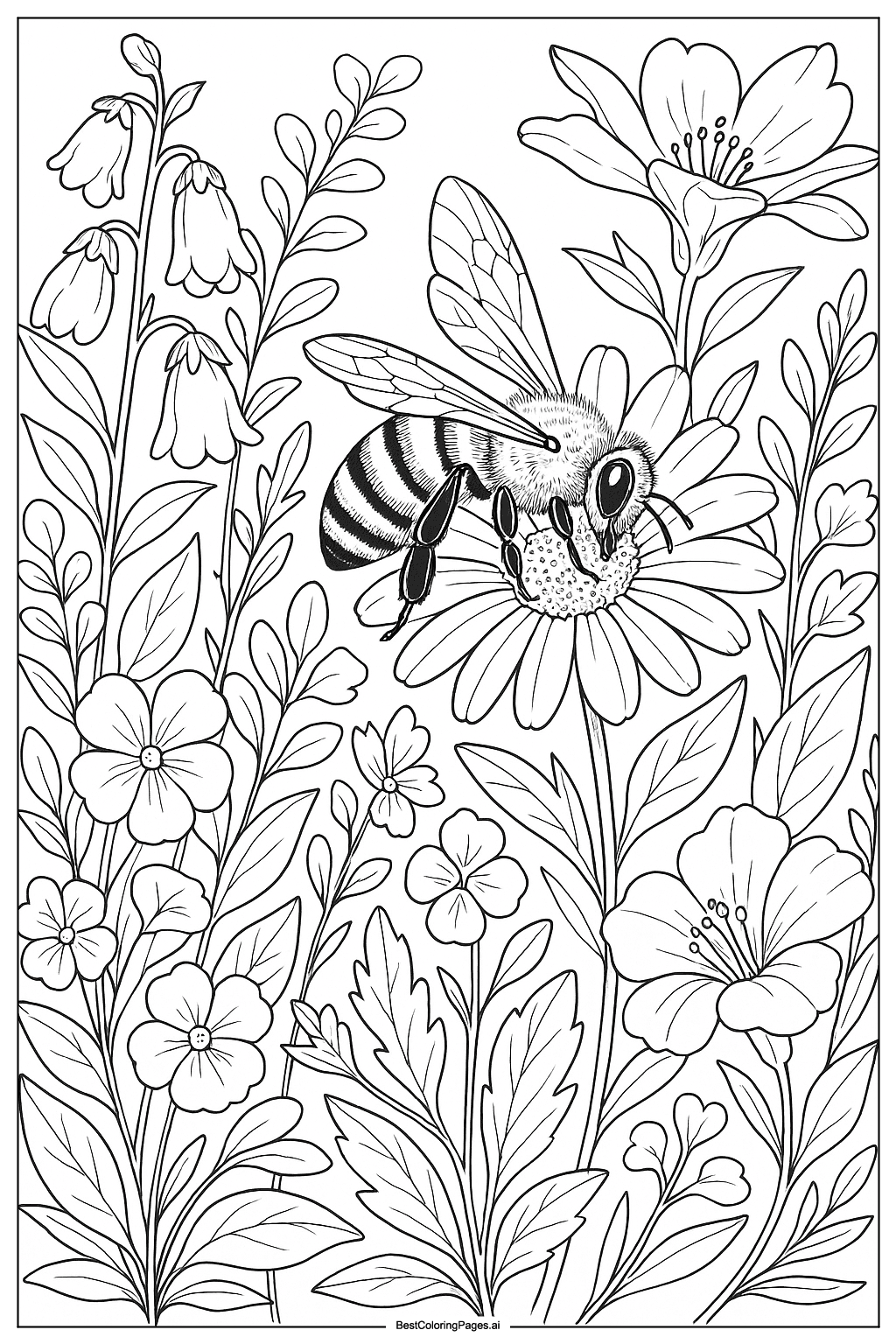
Coloring this lively garden scene offers wonderful learning opportunities for young artists. First, it encourages an appreciation for nature and biology. By observing the details of the bee and the flowers, children learn about the ecosystem and how insects interact with plants. Second, this page is excellent for developing fine motor skills. The intricate lines of the wings and the thin stems require careful hand-eye coordination and precise control of the coloring tool. This helps strengthen hand muscles needed for writing. Lastly, it boosts creativity and focus. Choosing different color palettes for the variety of flowers allows for artistic expression. Completing such a detailed picture gives a sense of accomplishment and teaches patience and attention to detail.
How difficult is it to color Bee collecting nectar in a garden Coloring Page, and what tips can help?
What are the best color suggestions for Bee collecting nectar in a garden Coloring Page?
To make this garden scene pop, start with the bee! Use a bright, sunny yellow and a deep black for the bee's stripes to make it stand out. For the wings, try using a very pale blue or just leave them white to show they are transparent. For the flowers, you can be very creative. The bell-shaped flowers on the left would look lovely in purple or soft pink. The large flower the bee is sitting on could be a white daisy or a purple coneflower with an orange center. Use different shades of green for the leaves and stems. Use light green for the new leaves and a darker forest green for the stems in the back. This helps create depth. If you want to color the background, a light sky blue will make it look like a beautiful sunny day!