What are the benefits of coloring Baby Triceratops Coloring Page?
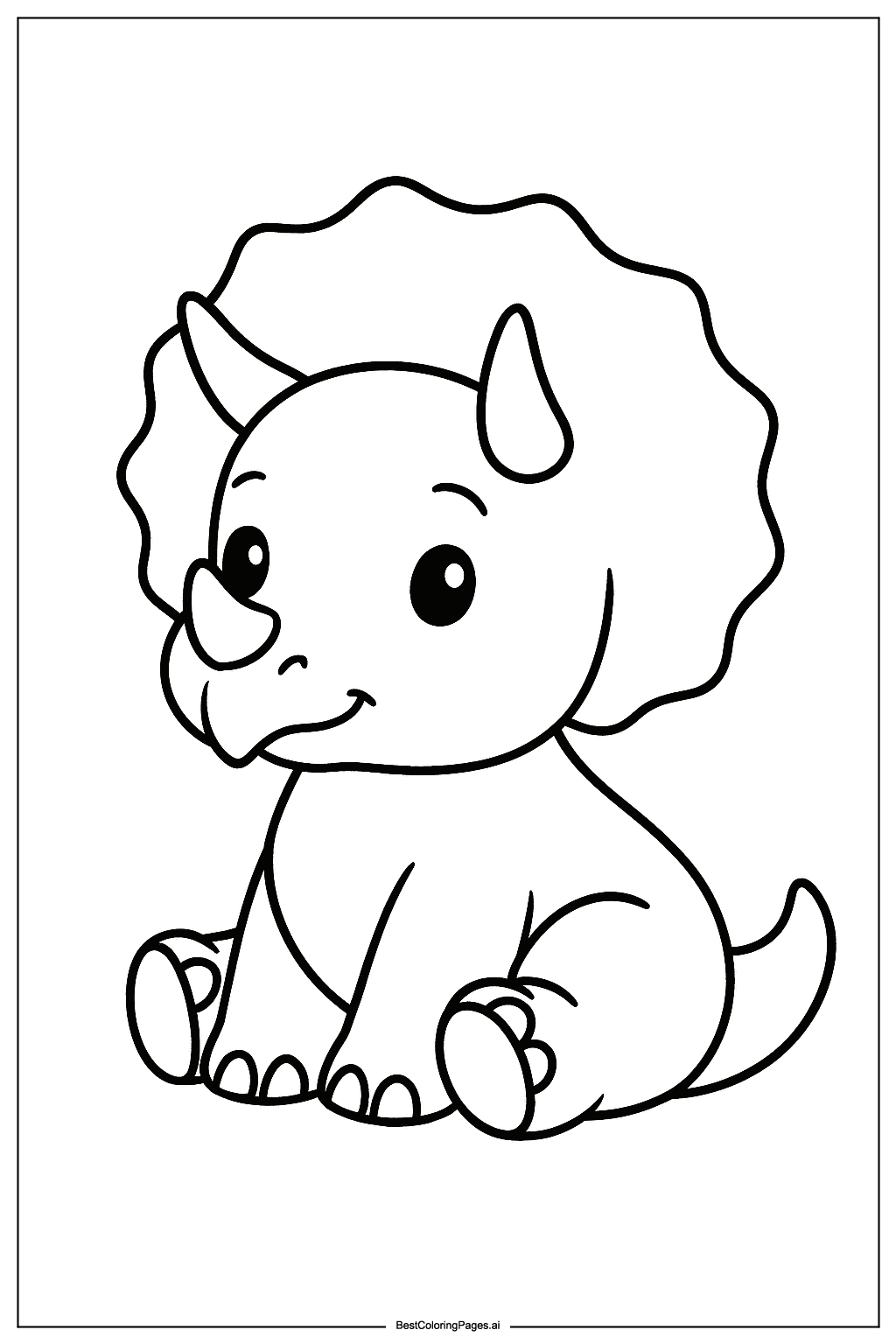
Coloring this baby Triceratops offers several wonderful benefits for children. First, it helps improve Fine Motor Skills. Carefully filling in the small claws and the curves of the horns requires steady hand movements, which strengthens the muscles used for writing. Second, it boosts Creativity and Imagination. Since no one has seen a living dinosaur, children are free to decide if this baby is green, purple, or polka-dotted! This freedom builds confidence in their artistic choices. Third, the activity promotes Focus and Patience. The large areas of the body require time to color evenly, helping children learn to stick with a task until it is finished. Finally, it sparks an interest in Science and History. While coloring, kids might become curious about the prehistoric world, leading to fun questions and learning about different dinosaur species.
How difficult is it to color Baby Triceratops Coloring Page, and what tips can help?
What are the best color suggestions for Baby Triceratops Coloring Page?
Dinosaurs can be any color you imagine! Since scientists aren't 100% sure exactly what color every dinosaur was, you can get very creative. Natural Look: If you want a realistic look, try using earthy tones like forest green, brown, or gray. You could color the tummy a lighter shade, like cream or pale yellow, to make it look soft and round. Fun & Fantasy: Who says a dino can't be pink or blue? Feel free to use bright colors! The large frill behind its head is a perfect place to add patterns. You can draw spots, stripes, or stars on the frill before you color it in. Tools: For the small toes and eyes, colored pencils or fine markers work best. For the big body and head, crayons are great for filling space quickly. Don't forget to leave the horns and claws white or color them light gray to make them stand out!