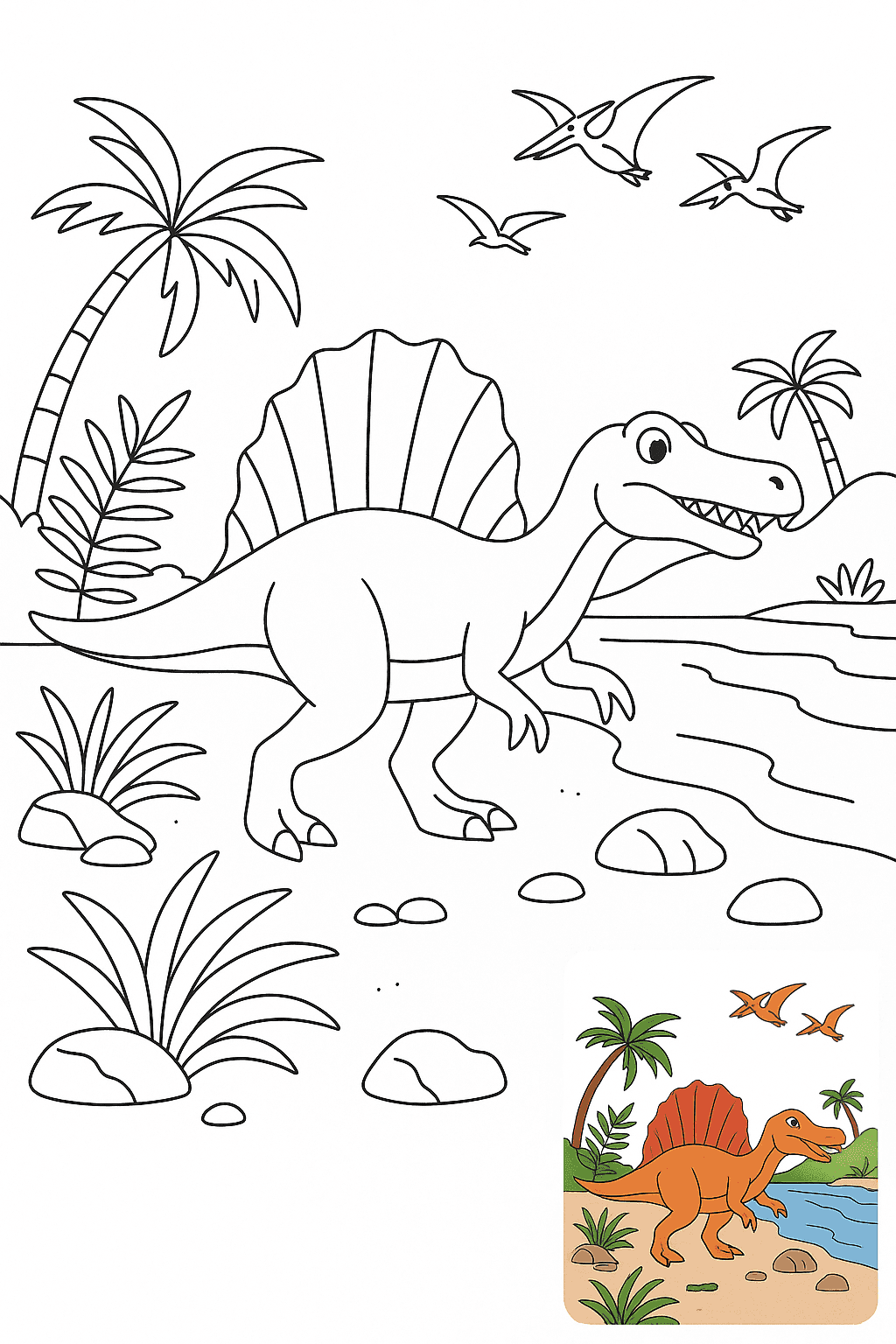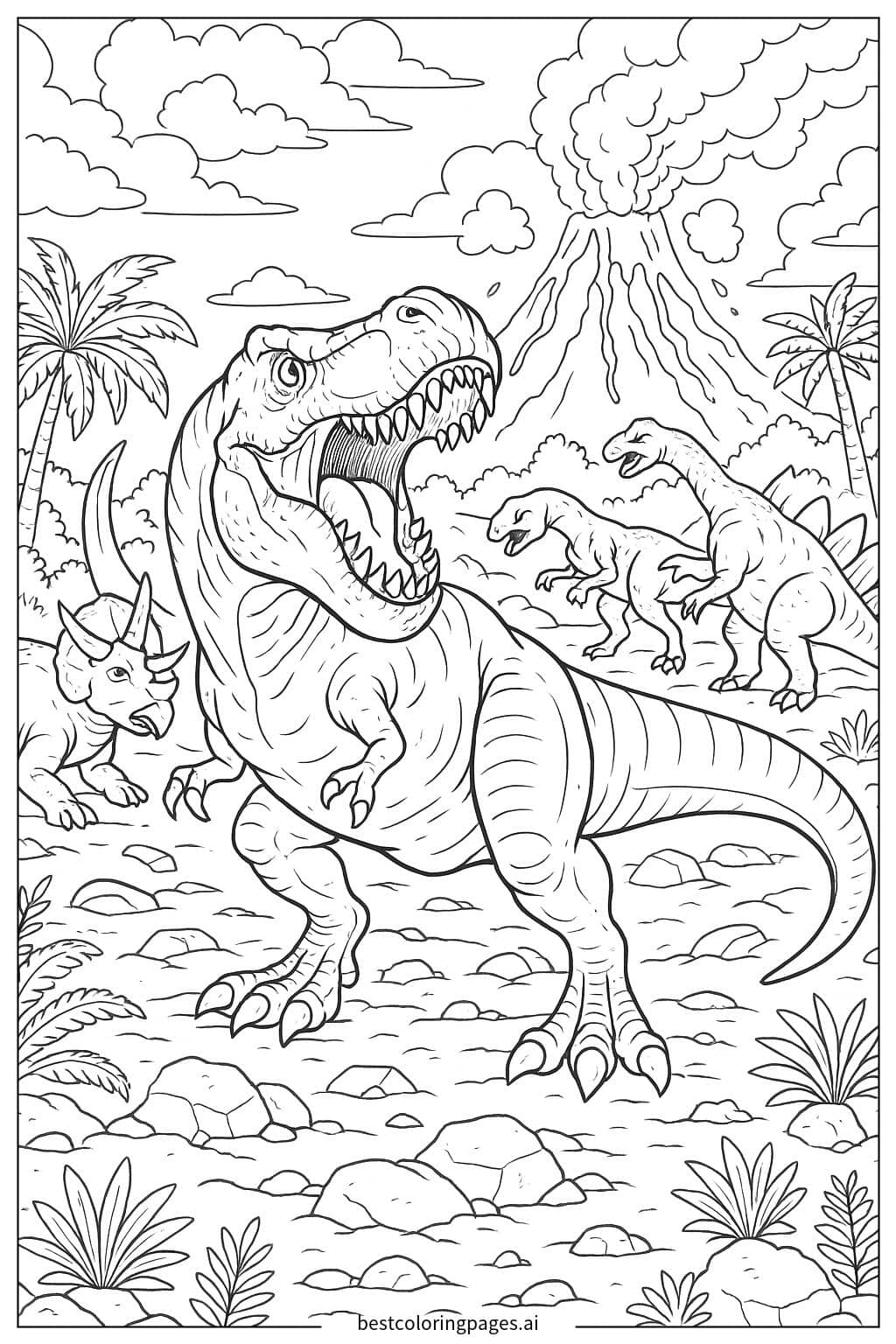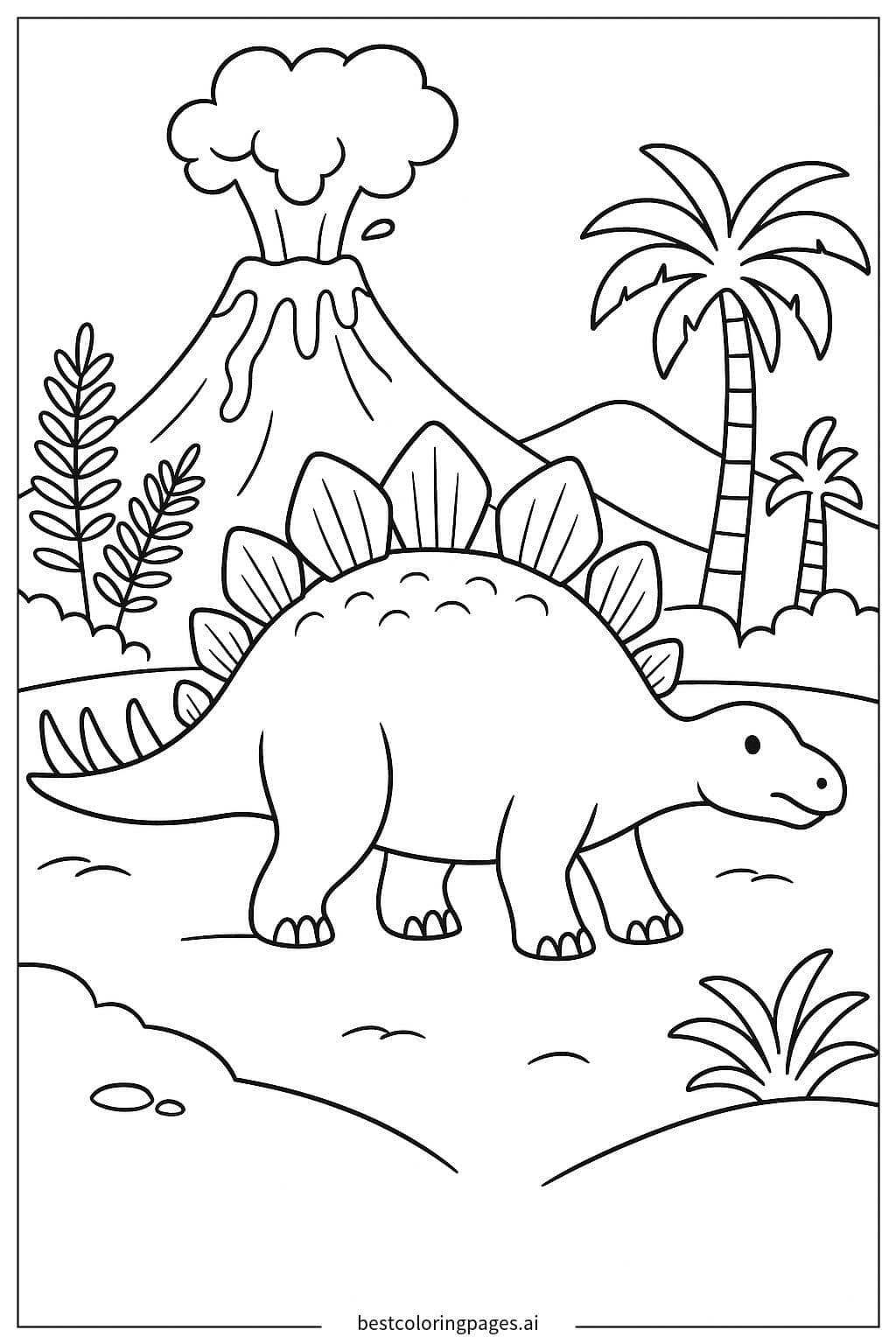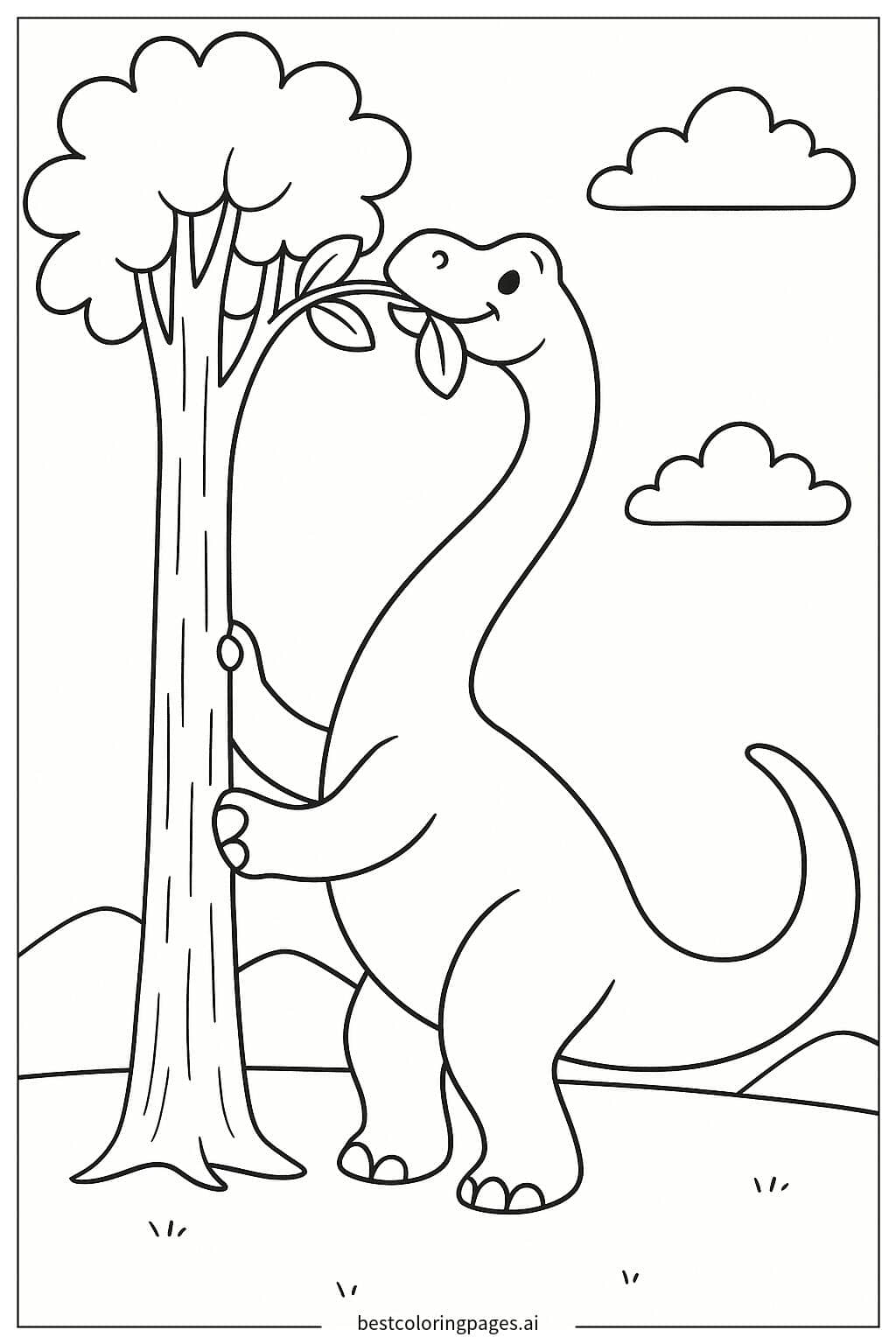
What are the benefits of coloring Triceratops standing still Coloring Page?
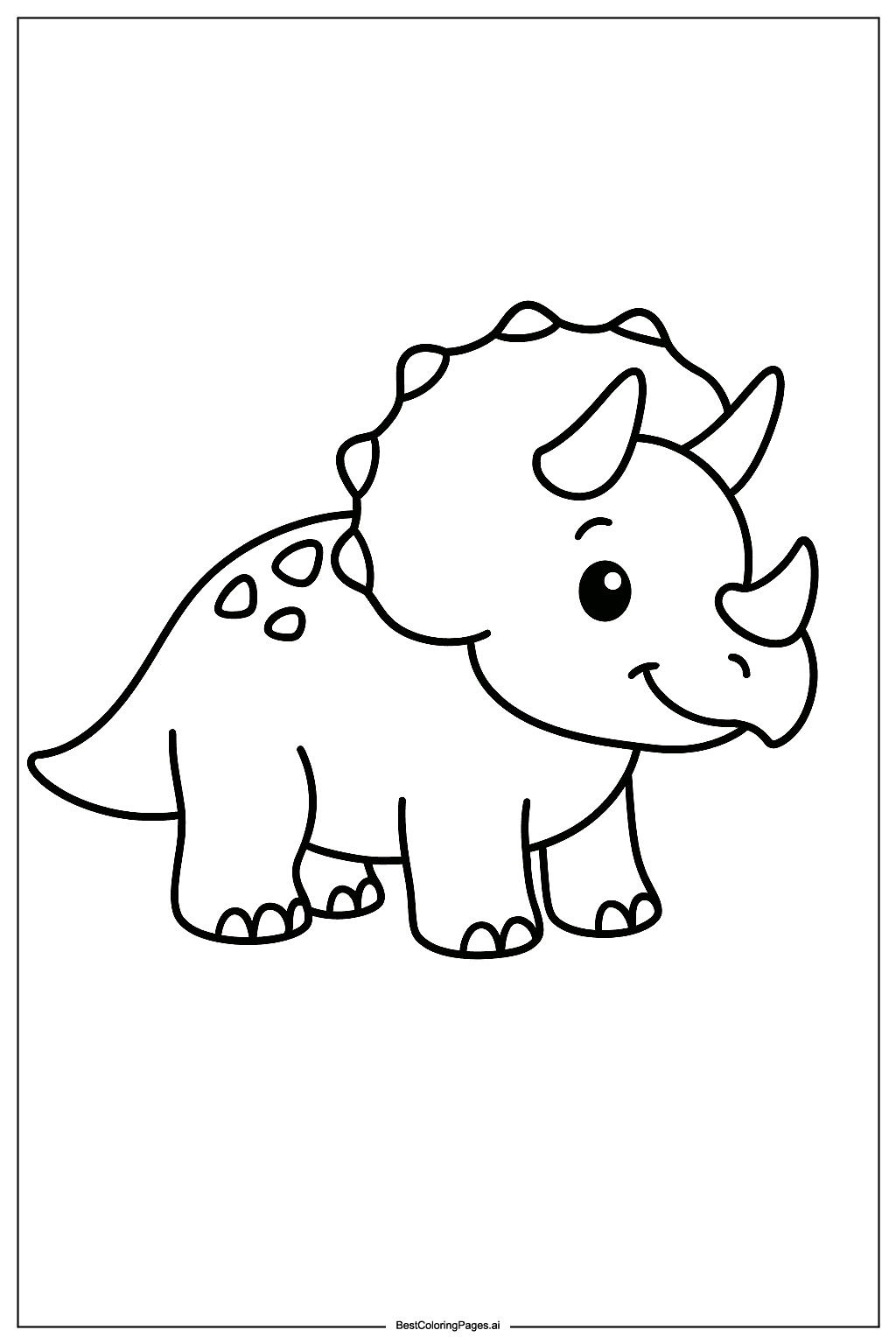
Coloring this Triceratops offers wonderful benefits for young artists, combining fun with learning. First, it helps develop fine motor skills. Holding the crayon and carefully staying within the lines of the frill and spots strengthens the small muscles in the hand and wrist. This is excellent practice for handwriting and general dexterity. Second, it sparks creativity and curiosity about science and history. While coloring, children can imagine what the prehistoric world looked like. Did dinosaurs have stripes, spots, or bright colors? This encourages them to use their imagination and maybe even ask questions about nature. Finally, coloring is a fantastic way to practice focus and patience. Finishing the large body areas and the detailed face requires sustained attention. When the picture is done, the child feels a sense of accomplishment and pride in their unique, colorful creation.
How difficult is it to color Triceratops standing still Coloring Page, and what tips can help?
What are the best color suggestions for Triceratops standing still Coloring Page?
Since scientists aren't 100% sure what color all dinosaurs were, you have total freedom to be creative! For a realistic look, you could use earthy tones like mossy green, dusty brown, or slate gray for the body. These colors would help him hide in a forest. However, for a fun, cartoon style, try making him bright blue, purple, or even orange! The spots on the back are perfect for a contrasting color. If the body is green, try making the spots yellow or red to make them pop. The three horns and the toes usually look great in a creamy white or light gray color. Don't forget the large frill! You can make the bumpy edges a different shade than the center of the frill to add depth. If you want to create a scene, draw some tall green grass or a volcano in the background to show where this dinosaur lives.