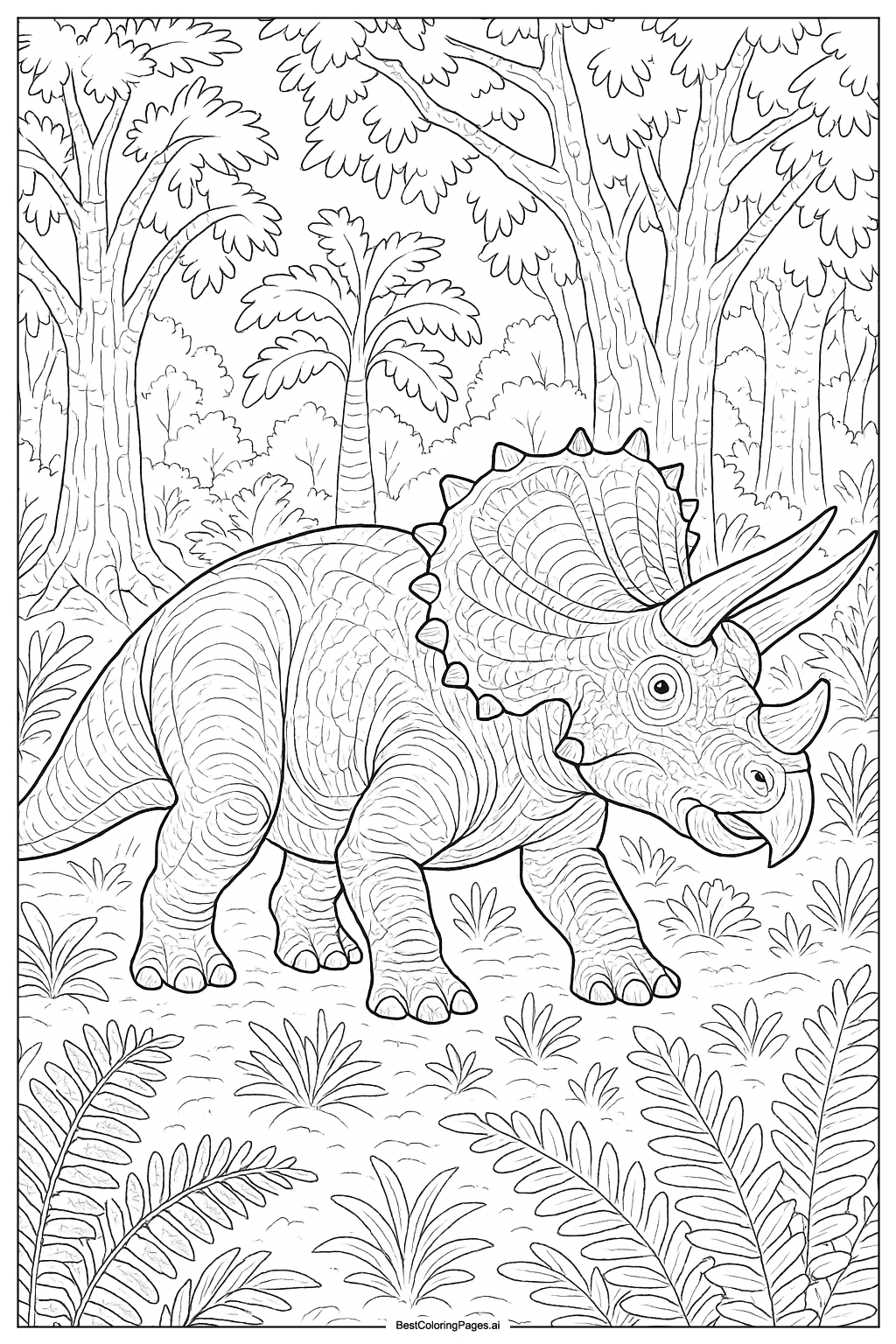
What are the benefits of coloring Triceratops in prehistoric forest Coloring Page?
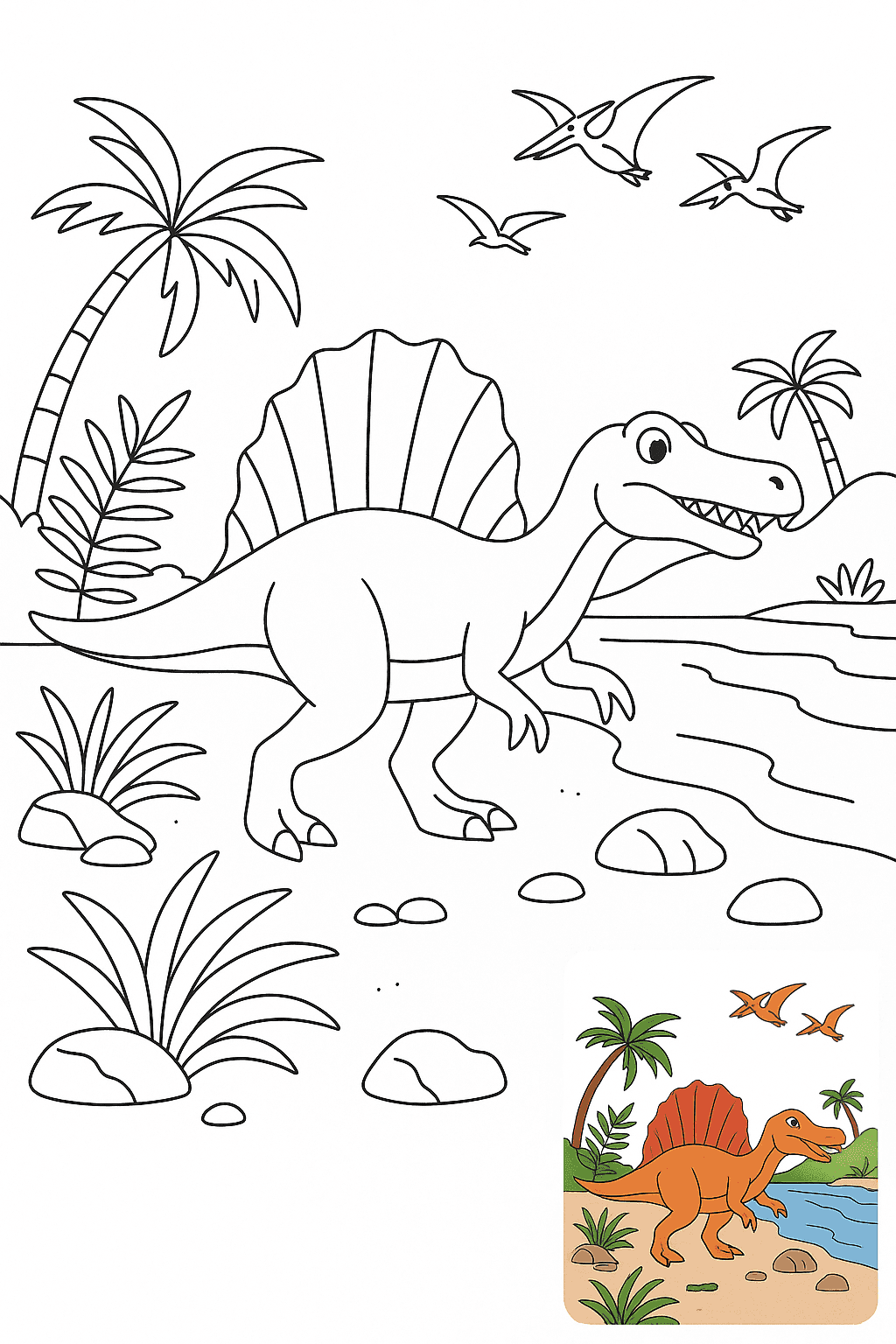
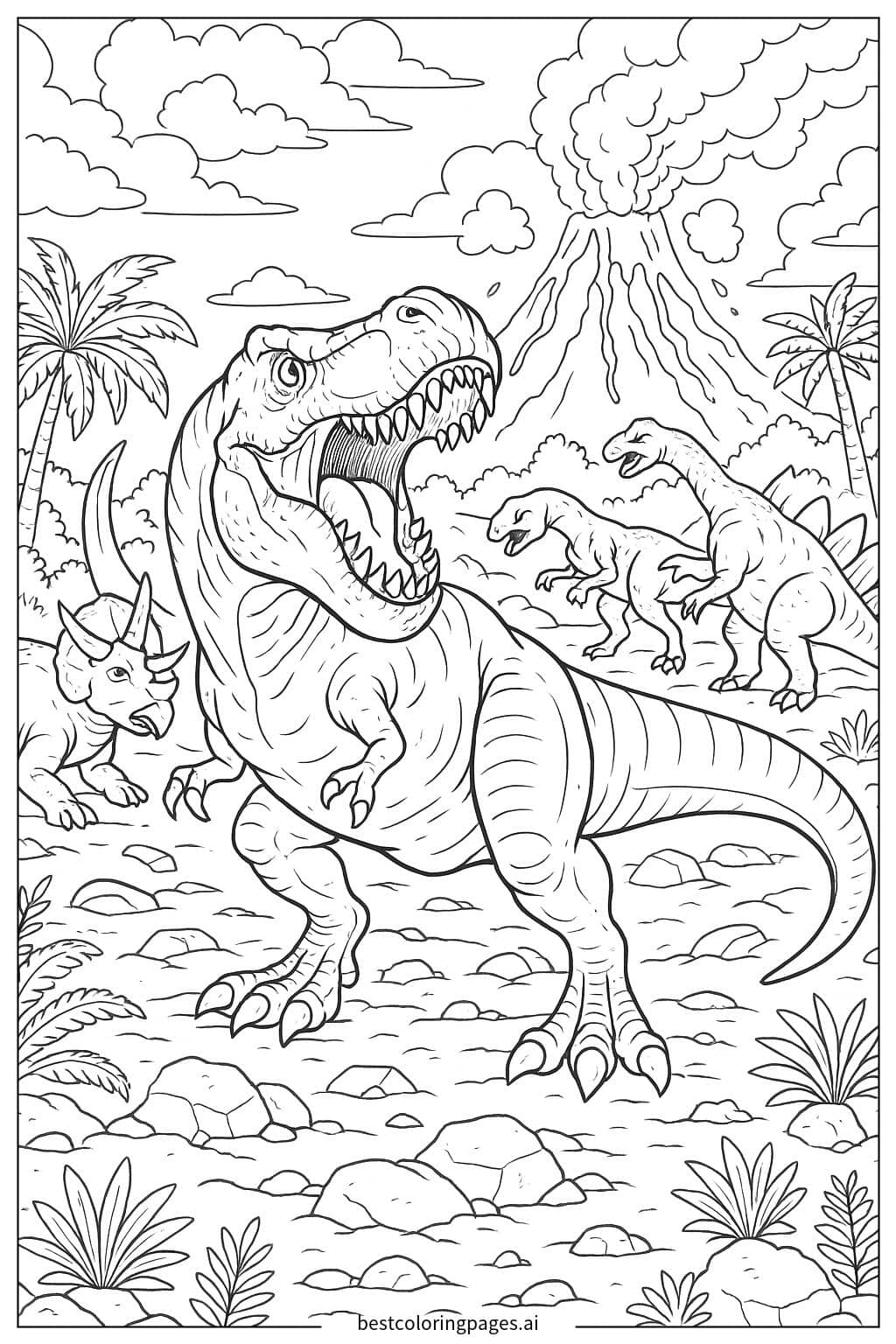
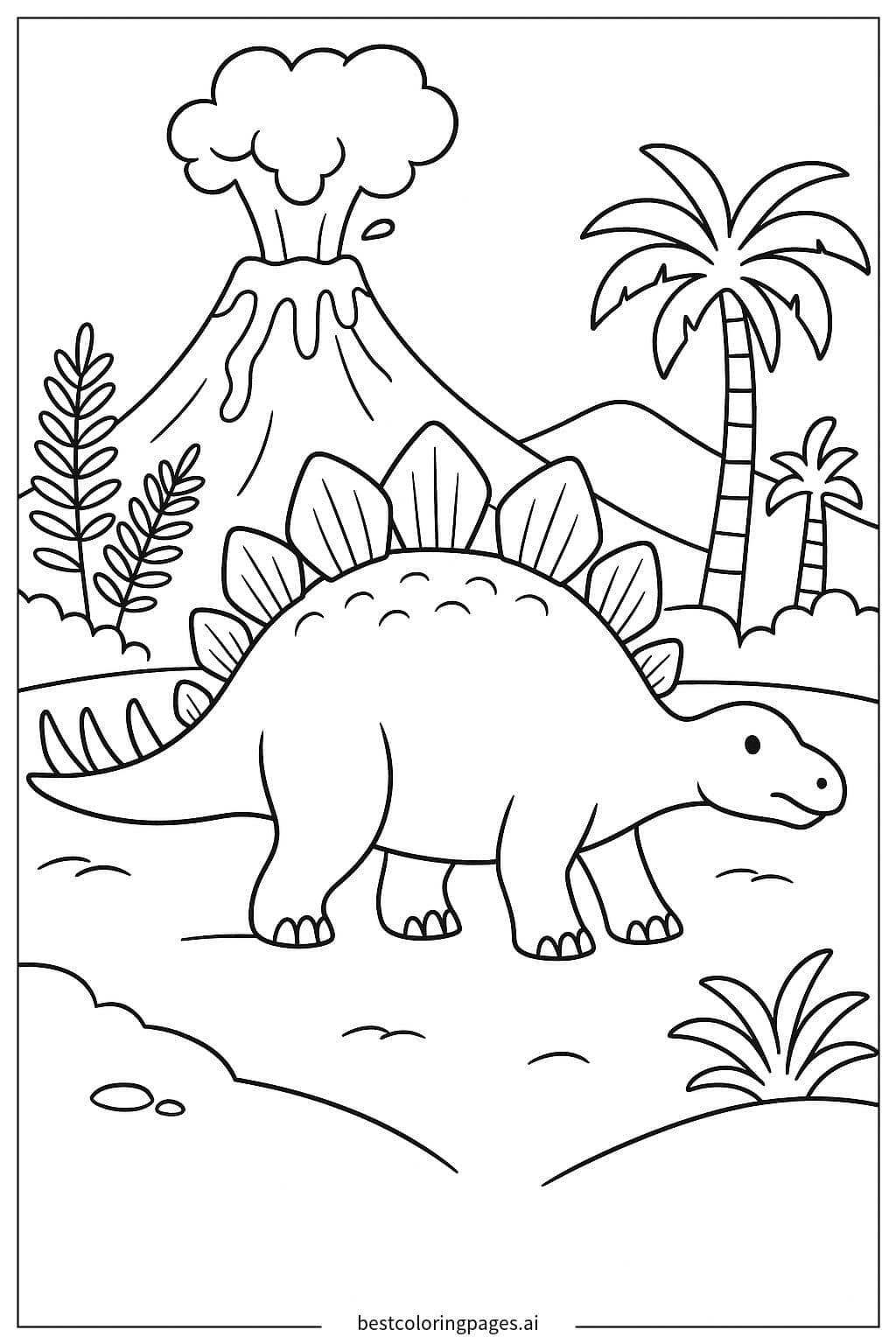
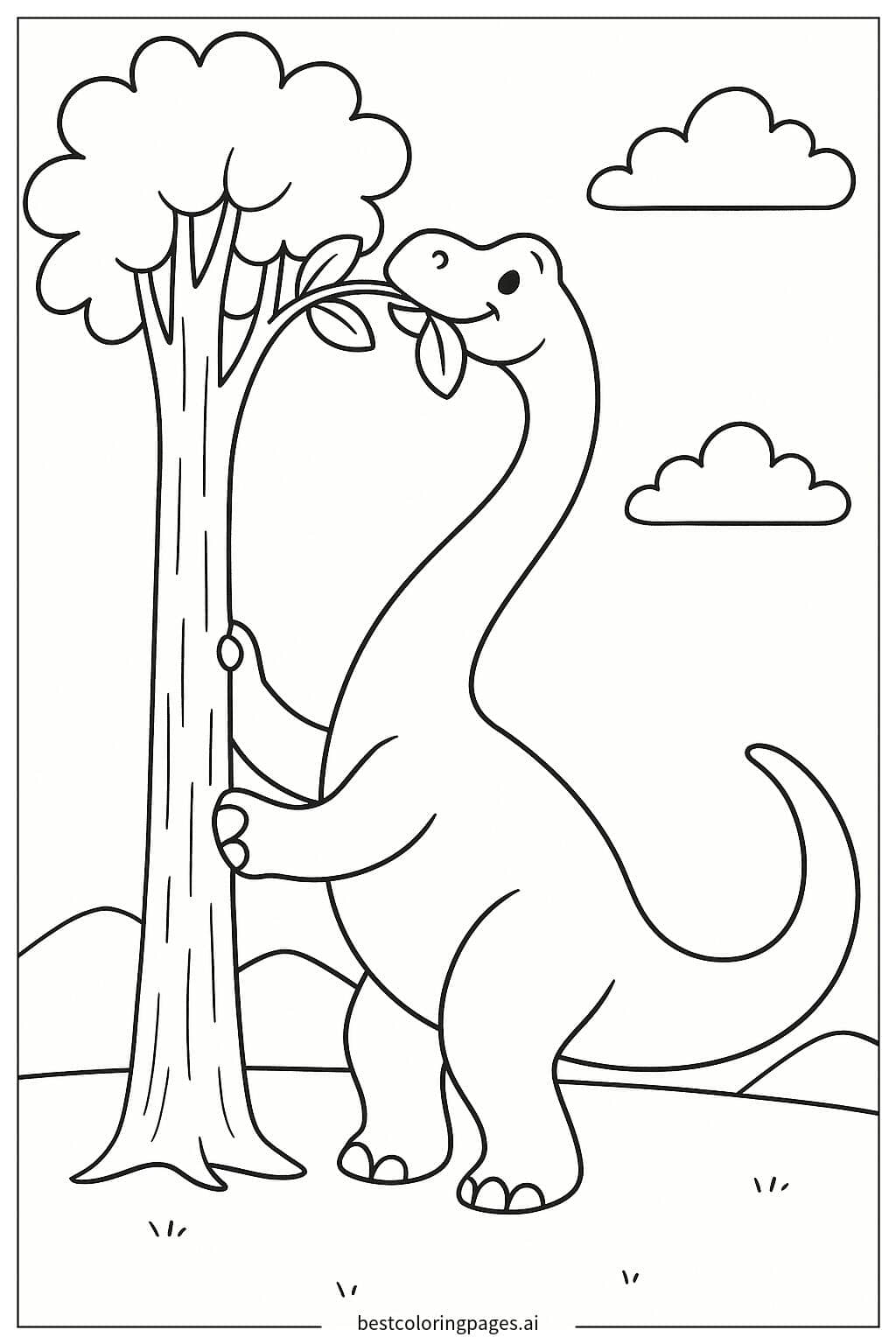
Coloring this detailed page is fantastic for developing fine motor skills. The intricate lines of the dinosaur's scales and the complex forest leaves require careful hand movements, helping to improve pencil grip and hand-eye coordination. It also encourages patience and deep focus, as completing the detailed background takes time and sustained attention to detail. Furthermore, this page sparks curiosity about science and natural history. While coloring, children might start asking questions about what the Triceratops ate, why it had three horns, or what the world looked like millions of years ago. This bridges the gap between art and education. Finally, since no one knows exactly what color dinosaurs were, this activity allows for pure creative expression, giving children the confidence to make artistic choices without fear of being wrong.
How difficult is it to color Triceratops in prehistoric forest Coloring Page, and what tips can help?
What are the best color suggestions for Triceratops in prehistoric forest Coloring Page?
Let your imagination run wild with this prehistoric scene! For the Triceratops, consider using earthy tones like dusty browns, slate grays, or olive greens to help it look like a real animal. However, many scientists think dinosaurs used their frills to show off, so feel free to add bright splashes of orange, red, or blue patterns to the large frill behind its head! For the forest, try using a variety of green shades. Use dark forest green for the large trees in the back and lighter, brighter lime green for the ferns and grass in the front. This contrast will help create a sense of depth, making the picture look 3D. You can also use colored pencils to trace the curved lines on the dinosaur's skin before filling them in; this emphasizes its bumpy texture. Don't forget to color the bits of sky peeking through the trees—a bright blue will make the green leaves pop!