What are the benefits of coloring Triceratops in grassy field Coloring Page?
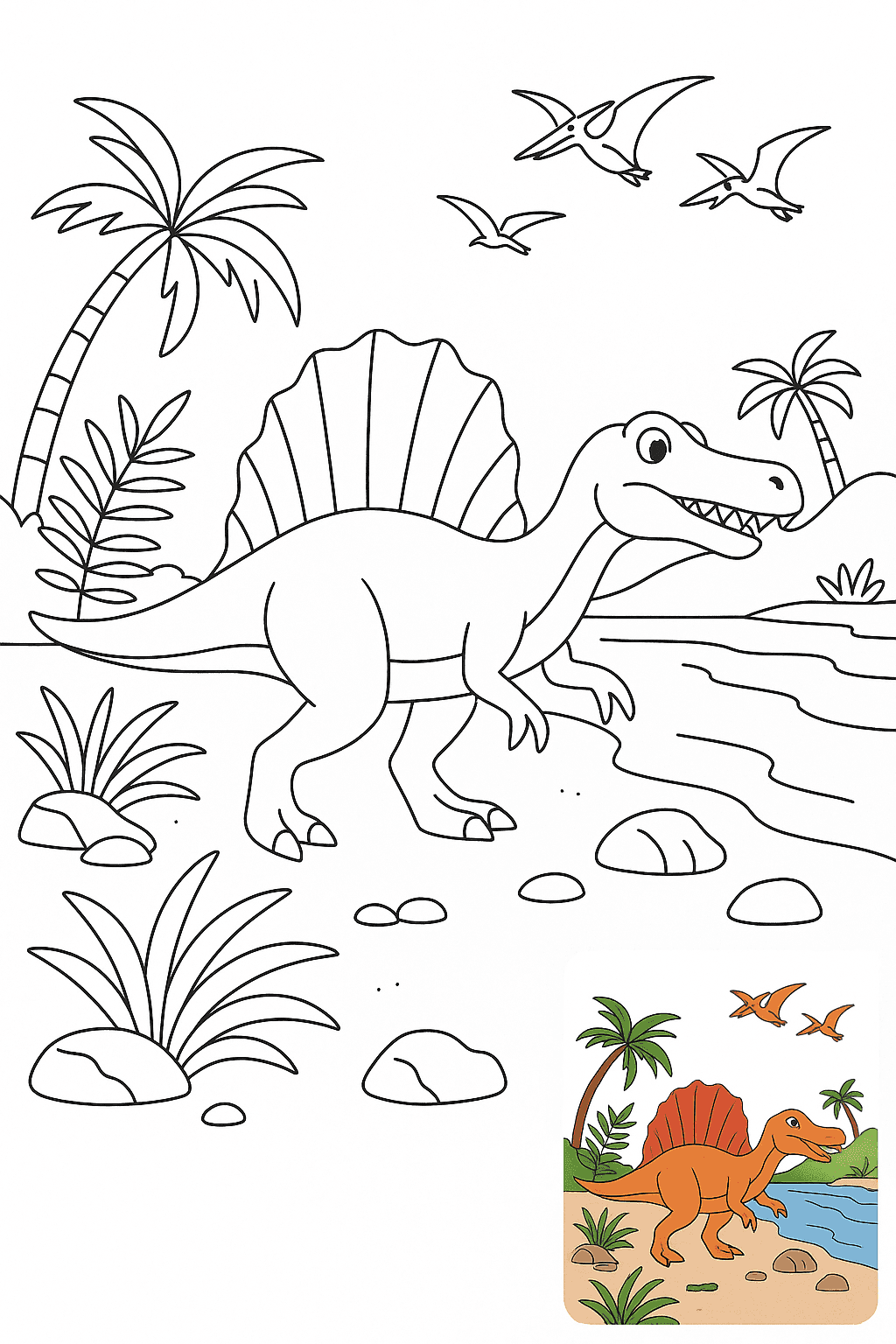
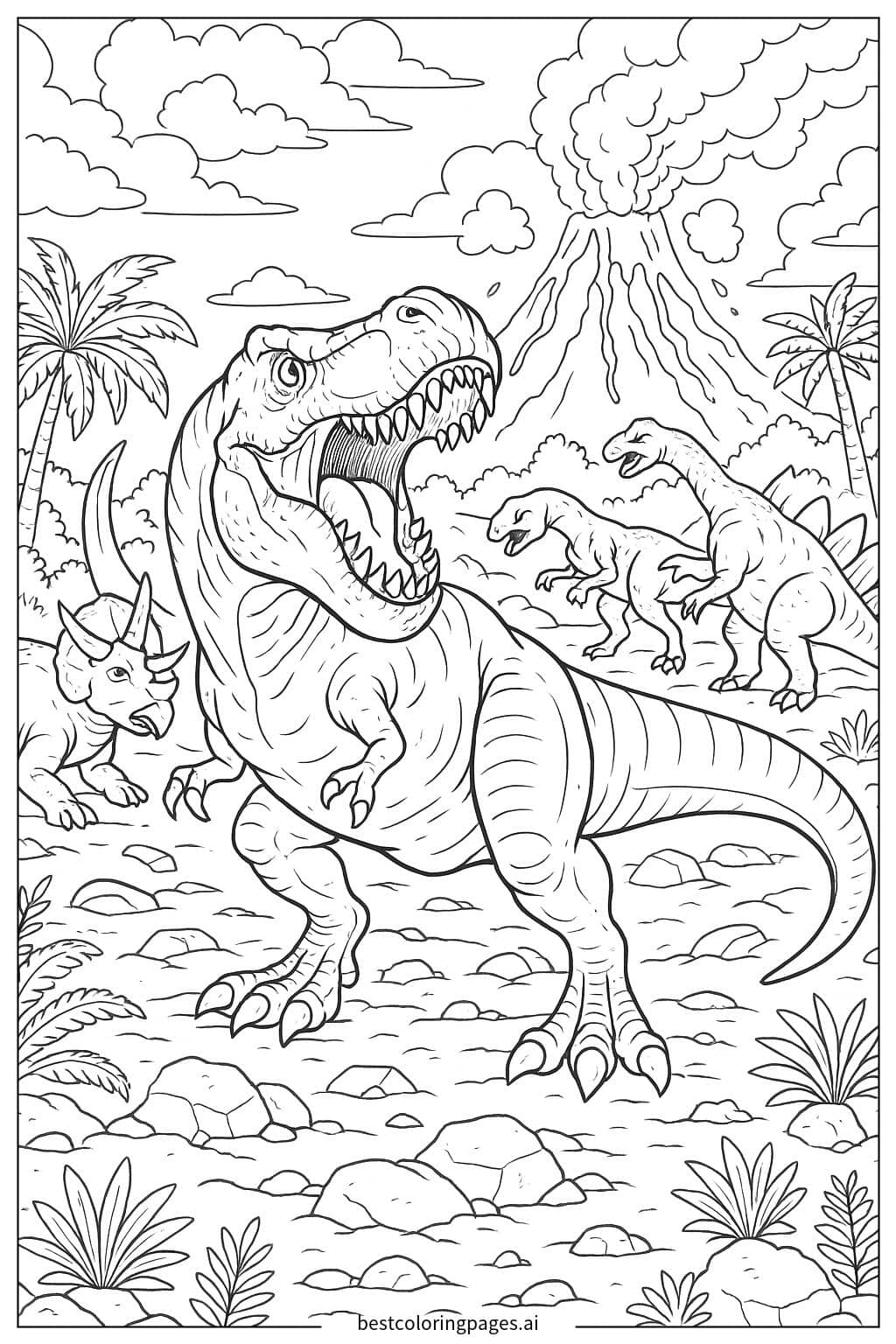
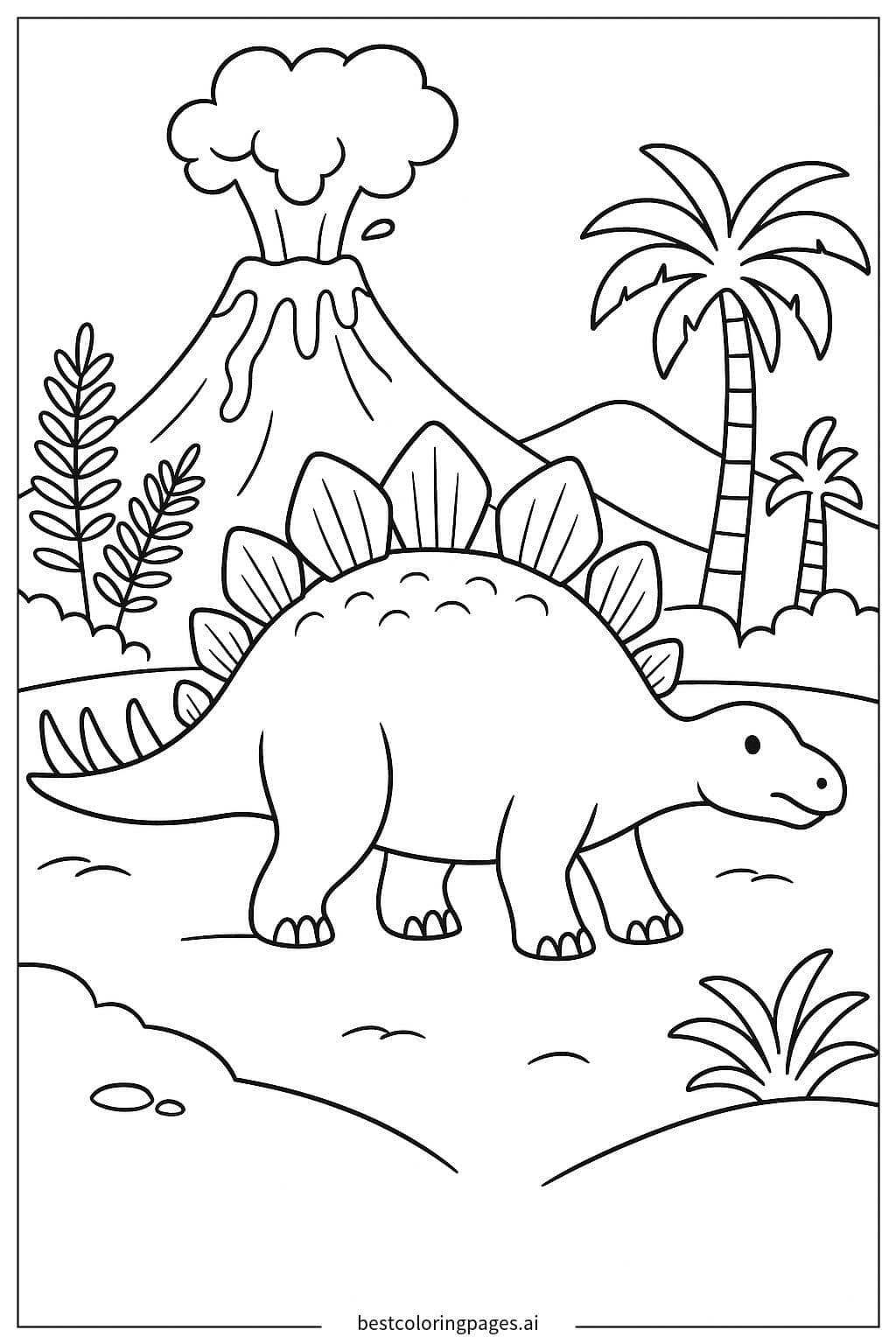
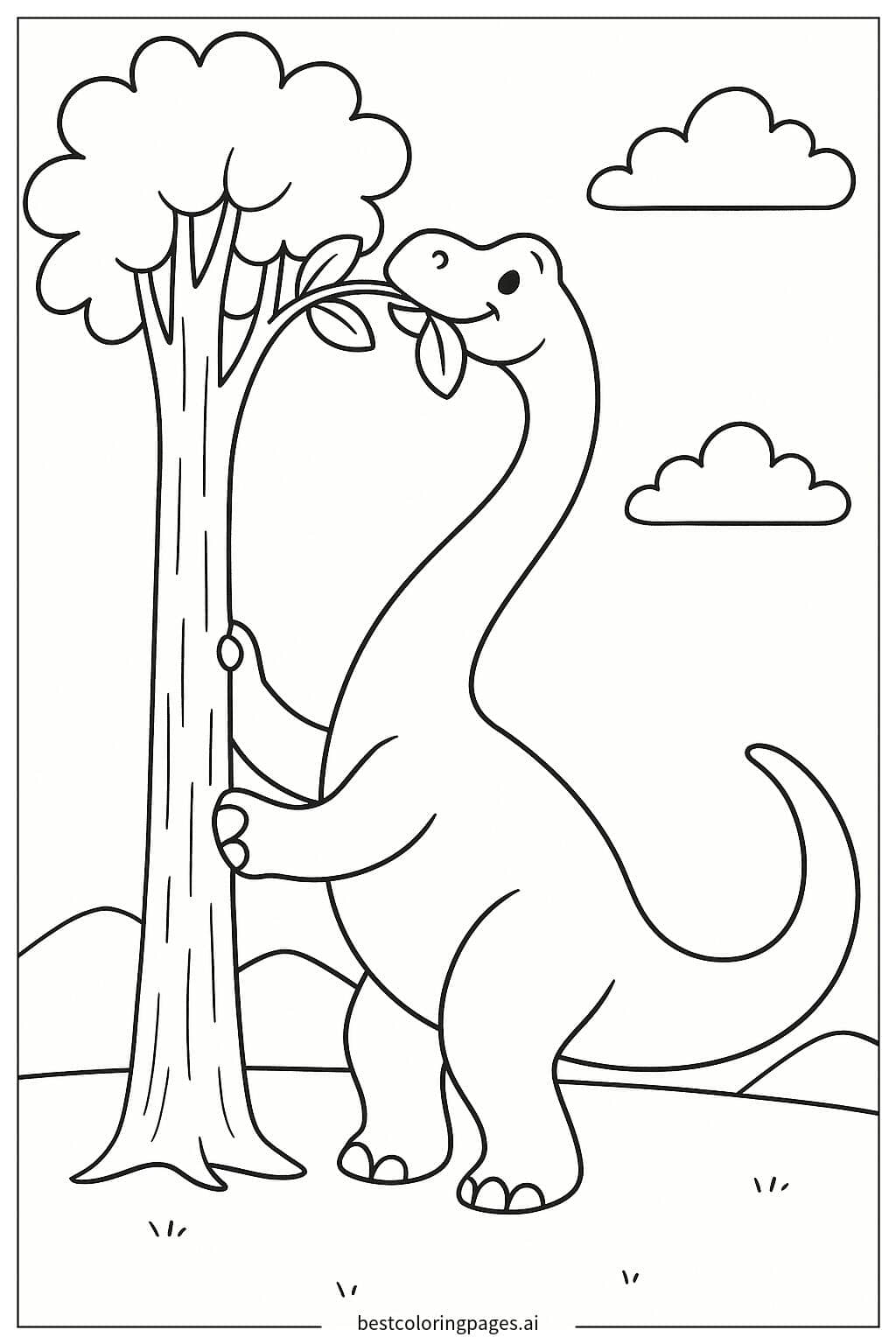
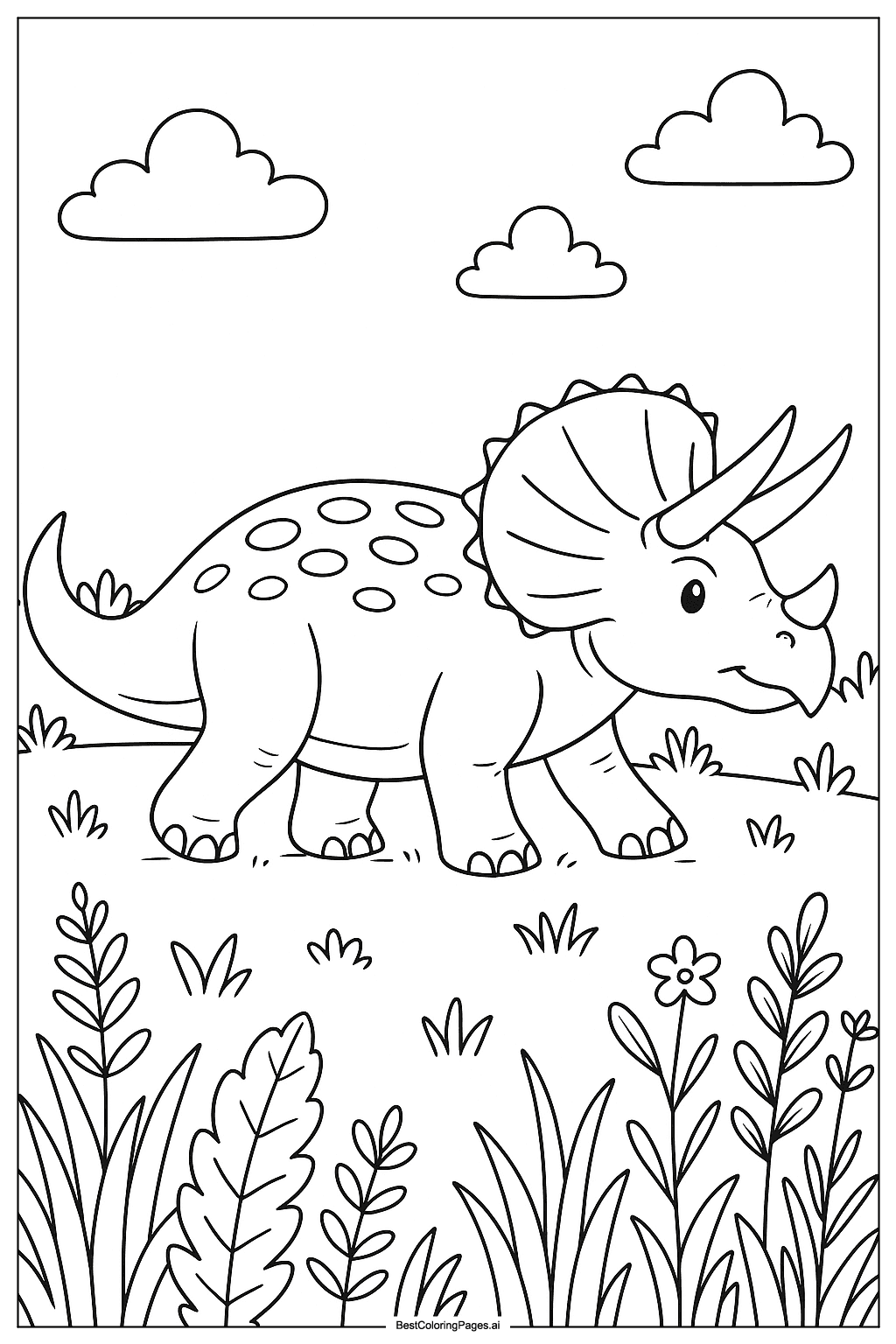
Coloring this page offers wonderful benefits for young artists. First, it helps improve fine motor skills as children navigate the small spaces between the grass blades and the spots on the dinosaur's back. This practice strengthens hand muscles and improves coordination. Second, it encourages creativity and imagination. Since scientists do not know exactly what color dinosaurs were, children have total freedom to decide! They can make a realistic green dinosaur or a fantasy pink one. Third, the image provides a great opportunity for learning. While coloring, parents can teach kids that the Triceratops was a herbivore, which explains why it is surrounded by so much tasty grass. Finally, filling in the large areas of the sky and the ground can be very relaxing and calming, helping children to focus and settle down after a busy day.
How difficult is it to color Triceratops in grassy field Coloring Page, and what tips can help?
What are the best color suggestions for Triceratops in grassy field Coloring Page?
You can make this Triceratops look realistic or totally magical! For a natural look, try using earthy tones like forest green, brown, or grey for the dinosaur's skin. You can make the spots on his back a bright, contrasting color like orange or yellow to make them pop! For the horns, a creamy white or light grey works best. Since the picture is set in a field, use different shades of green. Try dark green for the big leaves in the front and a lighter lime green for the grassy ground behind the dinosaur. This helps show distance. Don't forget the sky! A bright blue sky will make the white clouds look very fluffy. If you want to get creative, you can even draw some birds or a volcano in the background space!